
The latest minutes from the Federal Open Market Committee (FOMC) meeting indicate a strong consensus for further monetary easing. This is the signal that borrowers have been waiting for.
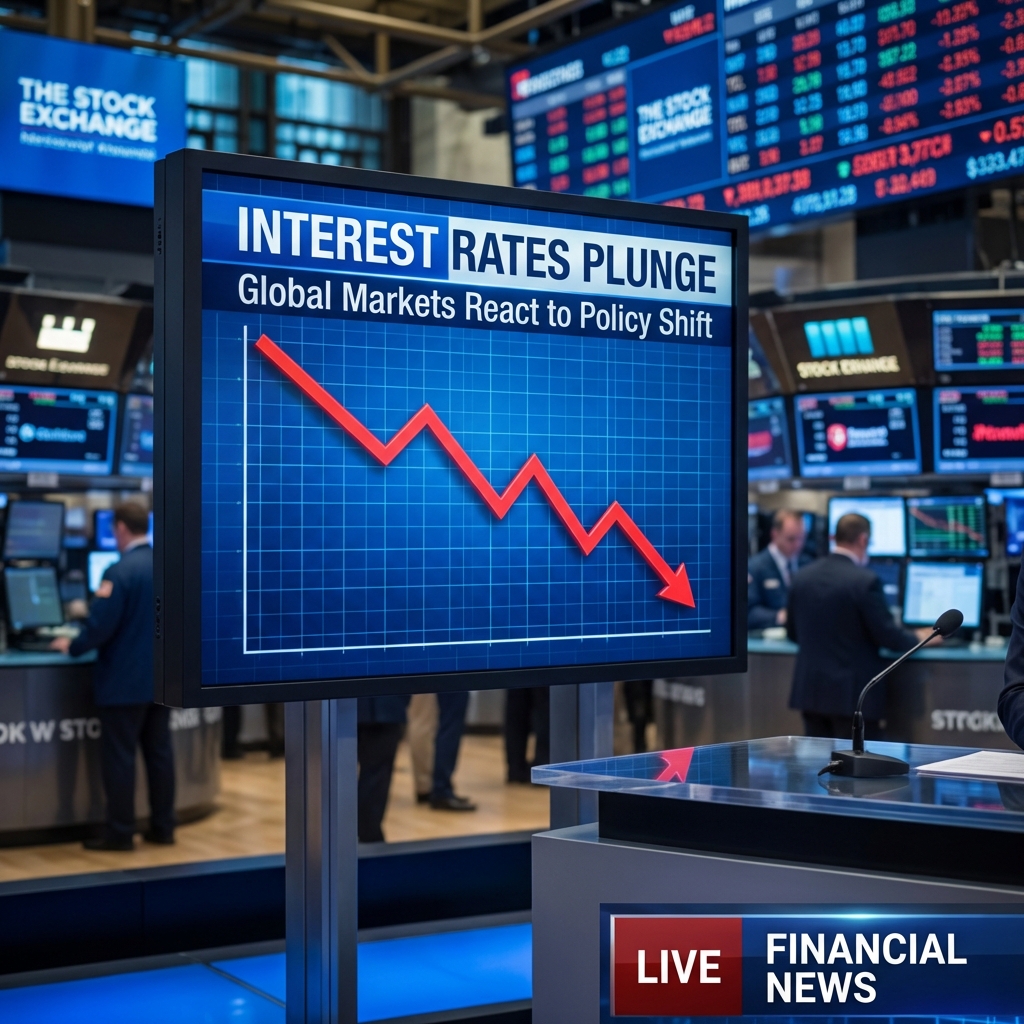
The Pivot to Growth: A New Chapter
After nearly two years of keeping rates elevated to fight stubbornly high inflation, the Federal Reserve is now officially shifting its focus to the second half of its dual mandate: supporting maximum employment. With inflation stabilization confirmed in the latest Consumer Price Index (CPI) report—showing a steady annualized rate of 2.2%—the path is clear for a rate cut in the upcoming March meeting.
This marks the end of the "restrictive" phase of monetary policy. Analysts from major investment banks like Goldman Sachs and JP Morgan now expect a 25 basis point reduction in March, with the strong possibility of a follow-up 50 basis point cut by summer if labor market data shows any signs of softening. This proactive approach is designed to keep the economic engine humming and prevent an unnecessary slowdown.
"The Fed has successfully threaded the needle," notes prominent economist Dr. Elena Richards. "They tamed inflation without crushing the job market. Now, they must lower rates to ensure liquidity remains sufficient for continued expansion. For consumers, this is the turning point we've been waiting for."
What It Means for APRs
Auto loan rates typically track the 5-year Treasury note, which reacts to Fed expectations. We have already seen the 5-year Treasury yield drop by 0.4% in anticipation of this move.

Timing Your Refinance: The "Price-In" Effect
Many consumers ask: "Should I wait for the official cut in March?" The answer is often counterintuitive. Lenders price their loans based on future expectations, not just today's overnight federal funds rate. This means the discount is often already baked into today's refinance offers.
The "Price-In" effect implies that markets move faster than regulators. Banks are already competing for your business today based on where they know rates will be tomorrow. Waiting for the official announcement might result in minimal additional savings (perhaps 0.1% or 0.2%), while costing you months of higher interest payments on your current loan.
Consider this: If you are currently paying 9% APR on a $30,000 auto loan, waiting three months to save an extra 0.2% might save you $2 a month in the long run, but you will have overpaid by nearly $300 in interest during those three months of waiting. The math often favors immediate action when the trend is clear.

Conclusion
The trend is your friend. With the Fed signaling cuts, the trajectory for interest rates is firmly downward. Whether you refinance now or in March, 2026 is shaping up to be the "Year of the Refinance."